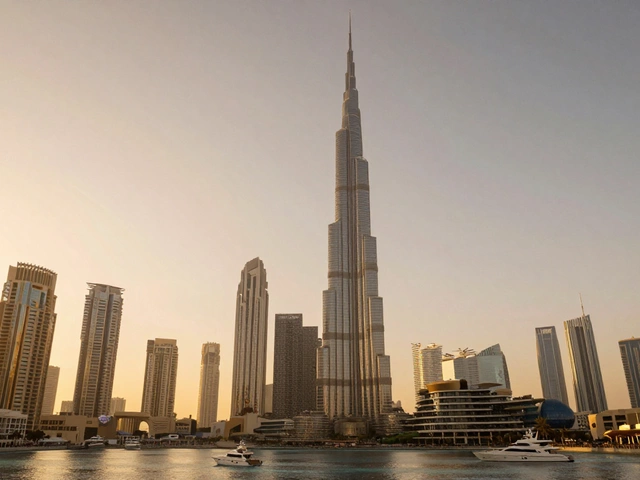
When you first arrive in Dubai, one of the things that will immediately stand out to you is the city’s spectacular architecture. The Burj Khalifa pierces the sky like a silver needle, the Palm Jumeirah stretches into the sea like a man-made starfish, and the Dubai Frame offers a literal window into the past and future of the city. These aren’t just buildings-they’re statements. Statements about wealth, ambition, and the sheer scale of human engineering. But behind the glass and steel, there’s another side to Dubai that doesn’t show up in travel brochures.
For some visitors, the allure of Dubai’s luxury extends beyond sightseeing. There’s a quiet undercurrent of services catering to high-end tourists, including those seeking companionship. If you’re curious about what that looks like in practice, you might come across mentions of an escort in dubai. These services exist in a legal gray zone, rarely advertised openly but quietly accessible through private networks. They’re not part of the official tourism experience, but they’re part of the city’s unspoken economy.
Dubai doesn’t have the same open nightlife culture as cities like Berlin or Las Vegas. Public displays of affection are restricted. Alcohol is regulated. And while the city welcomes millions of tourists each year, it enforces strict social norms. This creates a paradox: a place built for indulgence, yet bound by conservative rules. The result? A hidden ecosystem of private, high-end services that operate discreetly-often through encrypted apps, word-of-mouth referrals, and private WhatsApp groups.
Some of these networks are organized around exclusivity. A call girl in dubai isn’t someone you find on a public platform. She’s someone you’re introduced to through trusted contacts, often after vetting. These arrangements prioritize privacy, discretion, and safety. The clients aren’t just tourists-they’re business executives, diplomats, and long-term residents who value anonymity. The service isn’t about cheap thrills; it’s about control, comfort, and the ability to step outside the public persona for a few hours.
That’s why WhatsApp has become the backbone of this underground economy. It’s encrypted, easy to use, and doesn’t require a public profile. Groups are invite-only. Numbers aren’t listed online. And if you see a post claiming to offer a dubai call girl group whatsapp number, proceed with extreme caution. Most are scams. Some are traps. Others are just spam bots trying to harvest your data. Real connections don’t advertise. They’re passed along through personal networks, often after months of building trust.
What’s surprising is how little this affects Dubai’s global image. The city continues to host the World Expo, the Dubai Shopping Festival, and the Formula 1 Grand Prix with flawless precision. The architecture remains pristine. The hotels still offer gold-plated faucets and 24/7 butler service. The disconnect between the public spectacle and the private reality is deliberate. The government doesn’t need to hide these services-it just needs to ensure they never become visible.
For visitors, the real challenge isn’t finding these services-it’s understanding why they exist at all. Dubai doesn’t just attract people who want to see the world’s tallest building. It attracts people who want to escape their own lives, even if only for a night. The city’s design encourages this. The luxury malls, private beach clubs, rooftop lounges, and silent elevators all create spaces where identity can be temporarily shed. The architecture doesn’t just impress-it enables.
But there’s a cost to this secrecy. People who use these services often carry guilt. Those who provide them face legal risks, even if they’re not breaking any laws directly. Many operate under work visas that don’t allow for private services. A single complaint can lead to deportation. There’s no safety net. No union. No legal recourse. And if something goes wrong, there’s no one to call.
Still, the demand persists. And the supply adapts. New agencies emerge. Old ones rebrand. WhatsApp groups get shut down, then reopened under new names. The system is fluid, fragile, and entirely dependent on silence. It thrives because no one talks about it. And the city’s leadership has learned to look the other way-as long as it stays hidden.
What does this mean for you, the traveler? If you’re here for the architecture, the desert safaris, the food, the shopping-you won’t need to cross paths with any of this. But if you’re here for something else, you should know: Dubai doesn’t offer shortcuts. It doesn’t sell experiences on a menu. It offers control. And control means you have to play by the rules-even the ones no one tells you about.